

Pablo Picasso
Few individuals have altered the course of human creativity as profoundly as Pablo Picasso. Painter, sculptor, innovator, and relentless experimenter, Picasso did not simply participate in the evolution of modern art — he drove it forward. His life stands as a testament to curiosity, courage, and the power of refusing to remain confined by convention.
A Life That Redefined Art
Early Life and Artistic Foundations
Pablo Diego José Francisco de Paula Juan Nepomuceno María de los Remedios Cipriano de la Santísima Trinidad Ruiz y Picasso was born on October 25, 1881, in Málaga, Spain. Art was woven into his life from the beginning. His father, José Ruiz Blasco, was a painter and art teacher who quickly recognized his son’s extraordinary talent.
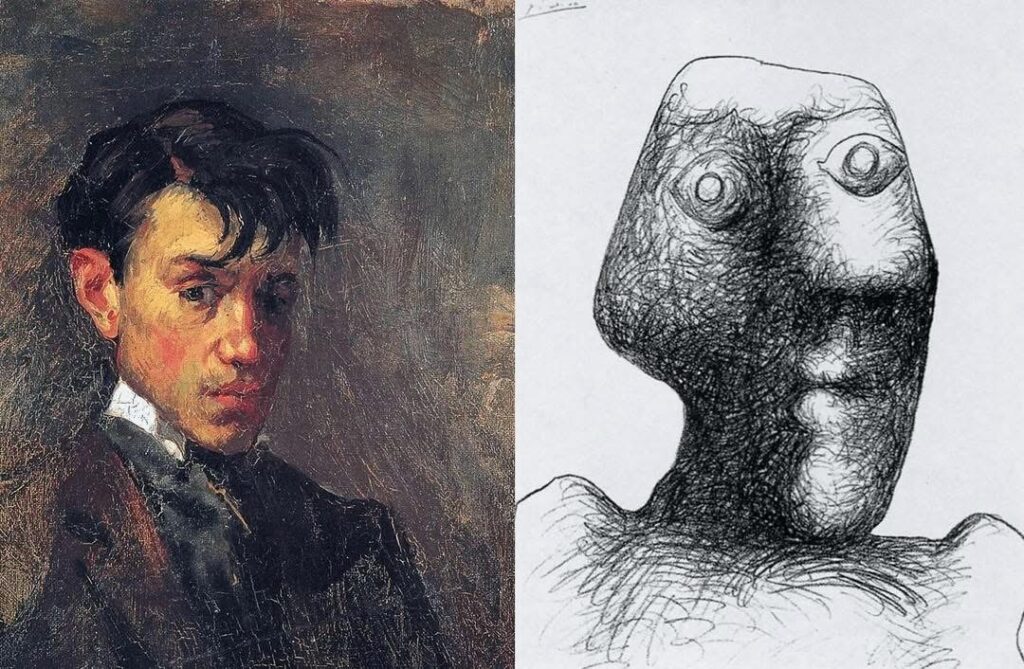
Picasso showed remarkable skill at an early age, mastering traditional drawing techniques while still a child. His formal training began in Spain, where he studied classical methods and academic realism. Even then, it was clear that Picasso was not destined to merely replicate the past—he was preparing to reshape the future.
Finding His Voice in Paris
As a young man, Picasso moved to Paris, the epicenter of artistic innovation at the turn of the 20th century. Immersed in a community of poets, painters, and thinkers, he began to experiment boldly with form, color, and emotional expression.
His Blue Period reflected themes of poverty, loneliness, and human vulnerability, rendered in cool, somber tones. This phase gave way to the warmer, more optimistic Rose Period, where circus performers and delicate figures filled his canvases. These transitions revealed an artist deeply responsive to both his inner life and the world around him.
The Birth of Cubism
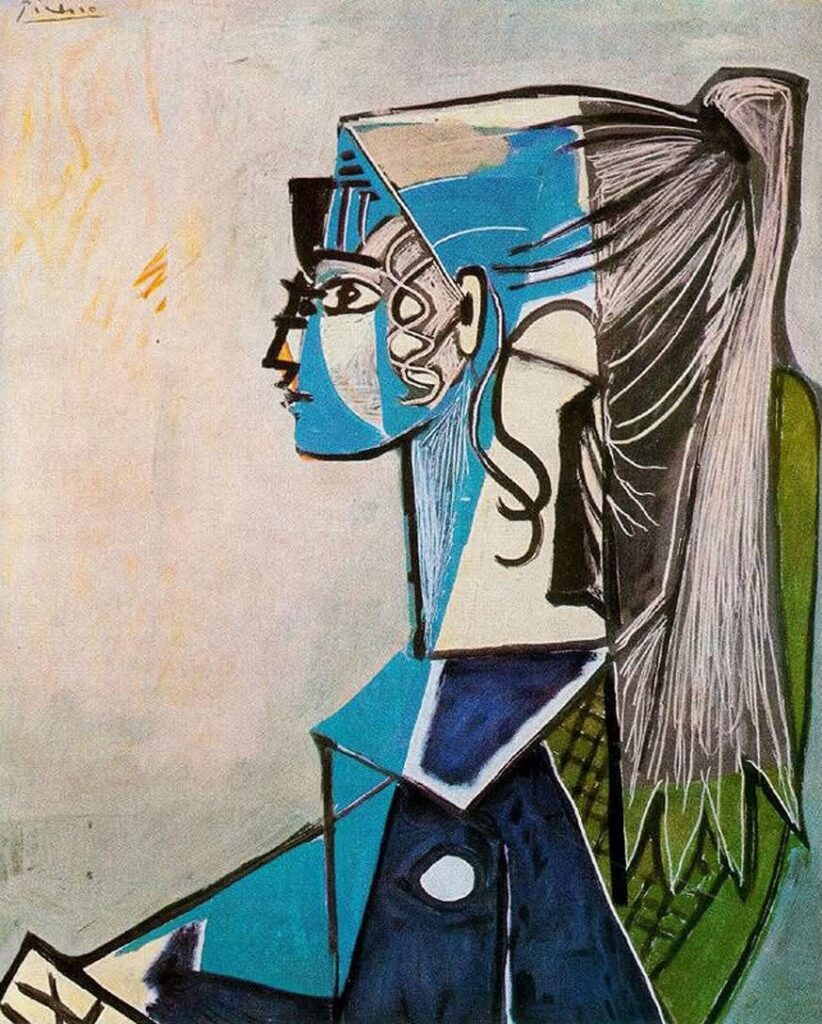
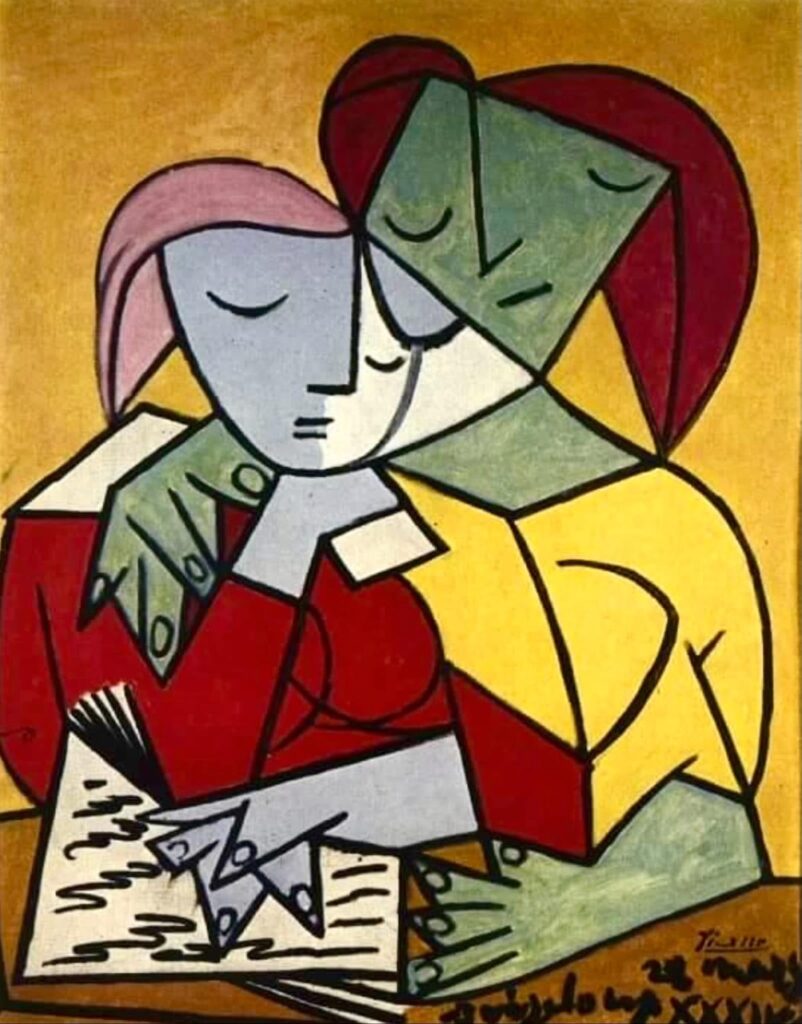
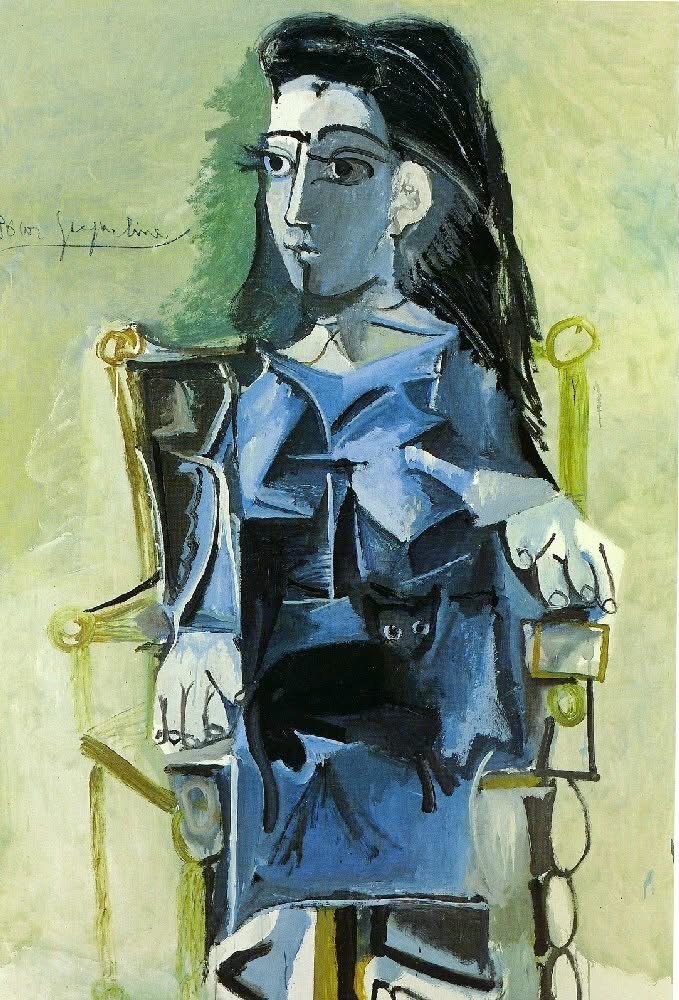
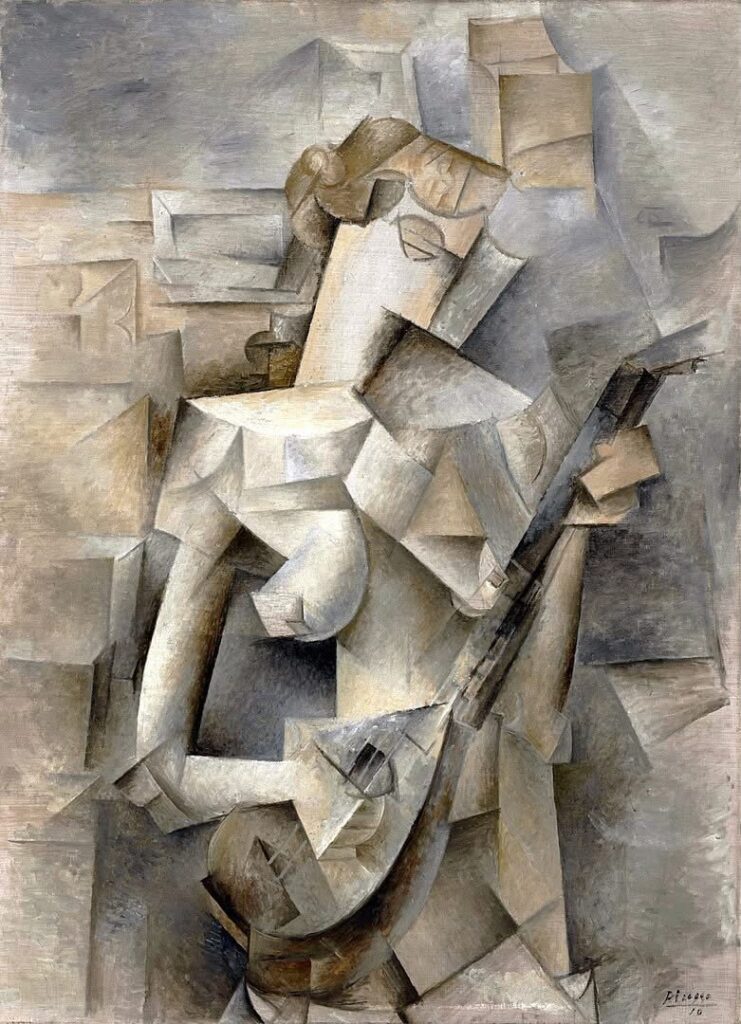
Picasso’s most revolutionary contribution came with the development of Cubism, created alongside Georges Braque. This radical approach dismantled traditional perspectives, presenting subjects from multiple viewpoints at once. Objects were broken apart and reassembled into geometric forms, challenging viewers to see reality in an entirely new way.
Cubism did more than change painting — it altered how artists thought about representation itself. Through this movement, Picasso demonstrated that art was not about imitation, but interpretation.
A Career of Constant Reinvention
One of Picasso’s most remarkable qualities was his refusal to stand still. Over the course of his long career, he worked across styles, mediums, and disciplines. Painting, sculpture, ceramics, printmaking, and stage design all became outlets for his restless creativity.
Rather than settling into a single identity, Picasso continually reinvented himself. This openness to change became one of his greatest strengths, reminding artists that growth often requires risk.
Art as a Reflection of Humanity
Picasso believed deeply in the power of art to reflect human experience. His work responded to love, loss, joy, conflict, and political turmoil. Perhaps his most famous statement, Guernica, stands as a haunting response to the horrors of war and a timeless symbol of artistic protest.
Through such works, Picasso showed that art could be both personal and universal — rooted in individual emotion while speaking to the collective conscience.
Legacy and Lasting Influence
Pablo Picasso passed away in 1973, leaving behind an immense body of work and an even greater legacy. His influence extends far beyond galleries and museums; he reshaped how creativity itself is understood.
Picasso’s life offers a powerful lesson: mastery does not come from playing it safe. It comes from curiosity, persistence, and the willingness to challenge accepted boundaries. He proved that reinvention is not a weakness, but a lifelong strength.
Why Picasso Still Matters
Today, Picasso remains a symbol of artistic freedom and fearless expression. His work continues to inspire painters, designers, writers, and thinkers across disciplines. More than an artist, he was a reminder that creativity is not a destination — it is a lifelong journey.
Pablo Picasso did not simply paint the world as it was. He invited humanity to imagine what it could become.